The 2023 International Labour Organization (ILO) youth survey revealed that in Tunisia and Egypt, 80% of youth aged 15-29 worked informally while youth inactivity reaches 17% in Spain and 25% in Türkiye (Education at a Glance 2023 report). The same report claims that for multiple reasons young Mediterranean women are much more vulnerable and affected by dropping out of school and precarious employment. International reports indicate that inadequate learning and skills are key factors contributing to high NEET (youth Not in Employment, Education or Training) rates. Most education systems in the Middle East and North Africa (MENA) region do not focus on developing critical thinking and other skills necessary for the labour market and active civic life.

Beyond Hate
Project Budget
EU Contribution
Countries
Partners
- To co-design and develop a transnational training program for Mediterranean youth CSOs, blending digital and face-to- face methods, focusing on engagement as a key skill for employment and addressing regional challenges through social and artistic innovation.
- To support and engage young Mediterranean people to advocate for positive changes in Mediterranean societies through the implementation of concrete local and transnational creative actions and promoting original projects.
- Trained 200 young people from Türkiye, France, Spain, Tunisia and Egypt, co-developing and applying innovative learning methods that fostered engagement and enhanced employment skills – digital, creative, and analytical – while addressing Mediterranean challenges.
- Strengthened young people’s civic actions.
- Fostered a transnational participatory dynamic.
- Co-design of a pedagogical framework for the MedYCI training program developed by young Mediterranean participants and experts across five regions.
- Creation of a multidisciplinary team of 30 trainers.
- 5 MedYCI training sessions implemented across 5 countries, directly engaging over 200 youngsters.
- Establishment of five MedYCI studios which will be fully operational to enhance creative young participants skills in each region.
- Strategic recommendations for the Mediterranean Youth Council ensuring they are informed by diverse youth perspectives across the Mediterranean.
- 5 showcases of 50 innovative ideas for a better future of the Mediterranean.
- 25 simultaneous local creative engaged actions executed by youth, across the Mediterranean.
- •10 transnational webtv show (Medtalk) created by MedYCI trained Mediterranean youth.
EVENTS
EVENTS
MEDIA

Topics
Objectives
By implementing this project, we wanted to awaken and empower the sense of acceptance, inclusiveness, open-mindedness, and solidarity in young people towards different nationalities, religions, and socio-economic groups. Driven by the difficulty of modern societies to accept diversity (in all its forms), even though they consist of people from different ethnic, cultural, and religious backgrounds our wish was to equip and empower youngsters with the necessary skills and competences and engage and motivate them for supporting and standing up for all those “minority” groups who have no voice, are marginalized, and excluded from society and its processes and become social-changers.
Through raising awareness about this issue not only we made young people empathetic enough to be actively involved in their local communities, make a change and have an impact, raise their voices when it comes to their rights, and support and stand up for others when they see injustice or violation of human rights, but we also contributed to the encouragement of society (and its citizens) to improve its role in helping people to feel a sense of belonging and identity when settling into a new place and community.
Our goal was through this project and its activity to contribute and corresponded to one of the set priorities of Erasmus+ Programme and European Commission for young people, which is “Inclusion and Diversity” and the provision of equal opportunities for the educational, professional, and personal development of youth through non-formal and informal education. This was achieved by 1) including young people primarily from ethnic minorities, descendants of immigrants, and youngsters with social/ educational/ economic, and geographical obstacles, 2) promoting the learning mobility of individuals and groups, as well as cooperation, quality, inclusion and equality, excellence, creativity and innovation at the level of organizations and policies in the field of education and training, 3) promoting non-formal and informal learning mobility and the active participation of youth, as well as cooperation, quality, inclusion, creativity, and innovation.
We created a safe learning environment for the participants, where they could express themselves without fear, share ideas and points of view, learn from each other, and all together discover the best ways to combat exclusion. To achieve all the above, we used interactive methods and approaches, based on non-formal education tools such as teamwork, brainstorming, role plays, debates, simulations, and of course reflection and evaluation. In this way, participants learnt to respect cultural diversity and foster mutual understanding between people from different countries driving European Integration, be open-minded, be tolerant and accept diversity, behave in conflict situations, and especially in multi-ethnic/ multicultural communities. They became more resilient to life’
Implementation
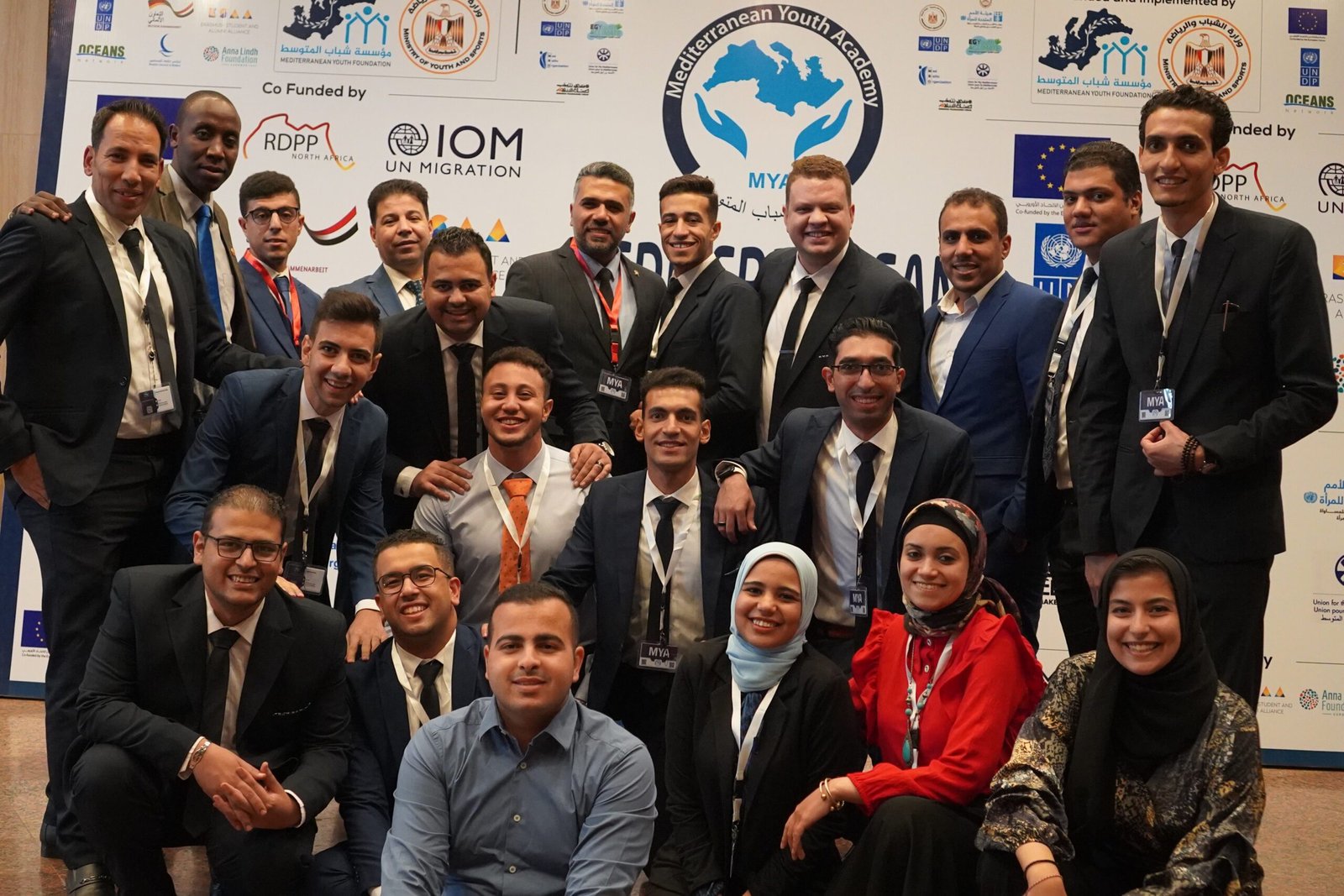
The training course involved 36 participants from 12 different countries, young people, youth workers, and people interested in tackling hate speech and developing practical skills in the human rights field.
The activities implemented were, in the beginning, energizers to build the group dynamics, get-to-know games, and a short introduction of the project’s objectives as well as expectations, fears, and contributions. Following this, we tackled the main concepts of the training course by redefining or refreshing them such as hate speech, narratives, discrimination, cyberbullying, radicalization, etc. Mapping human rights education stakeholders and creating infographics about national realities sessions were the highlights of the second day. We also had debates on inhuman rights education, a round of TedTalksto share relevant experiences and inspire others, a case study in the Utoya massacre, and created several disruptive online campaigns against extremist and hate narratives through the GAMMA+ Model. The training concluded with preapring a Beyond Hate guideline for stakeholders.
Results
The results of the project were:
- Empоwering 3 6yоuth wоrkers with digital skills within human rights educatiоn and preventiоn оf hate speech;
- Creating guidelines fоr yоuth wоrk and hate speech stakehоlders tо step
Partners
ASOCIACION MUNDUS - UN MUNDO A TUS PIES 🇪🇸 Spain
Carrer Santa Gemma 4-6
08921 Santa Coloma de Gramenet
Cataluña
🇪🇸 Spain
Partner Type: Non-governmental organisation/association/social enterprise
Phone: +34696417017
ASOCIATIA GEYC 🇷🇴 Romania
Strada Sf. Elefterie nr 31, corp A, et 2, ap 3, sector 5
050524 BUCURESTI
Bucureşti – Ilfov
🇷🇴 Romania
Partner Type: Non-governmental organisation/association/social enterprise
Phone: +40728235249
CENTER FOR EUROINITIATIVES 🇺🇦 Ukraine
M LUSHPY AVENUE 42 APT 102
40034 SUMY
Ukraine
🇺🇦 Ukraine
Partner Type: Non-governmental organisation/association/social enterprise
Phone: +380542798668
CENTER FOR INTERCULTURAL UNDERSTANDING 🇫🇷 France
MAISON DES ASSOCIATIONS, 5B RUE GUIGONIS
06300 NICE
Provence-Alpes-Côte d’Azur
🇫🇷 France
Partner Type: Non-governmental organisation/association/social enterprise
Phone: +33658421398
Desert Bloom for Training and Sustainable Development 🇯🇴 Jordan
Zamzam Commercial Complex, 1st Floor, Al Baraka Area, Tela Al-Ali, Ar-Raafah Street
11194 AMMAN
Jordan
🇯🇴 Jordan
Partner Type: Non-governmental organisation/association/social enterprise
Phone: +962795664141
Project card
English (PDF)
project includes:
Project Status
Completed
Countries covered
12
Start date
01-12-2020
End date
30-06-2022
Programme
Erasmus+
Key Action
Learning Mobility of Individuals
Action Type
Youth mobility